Biological risk assessment and management is our tool to foster the positive impact of the advancement of bioscience and biotechnology for society.
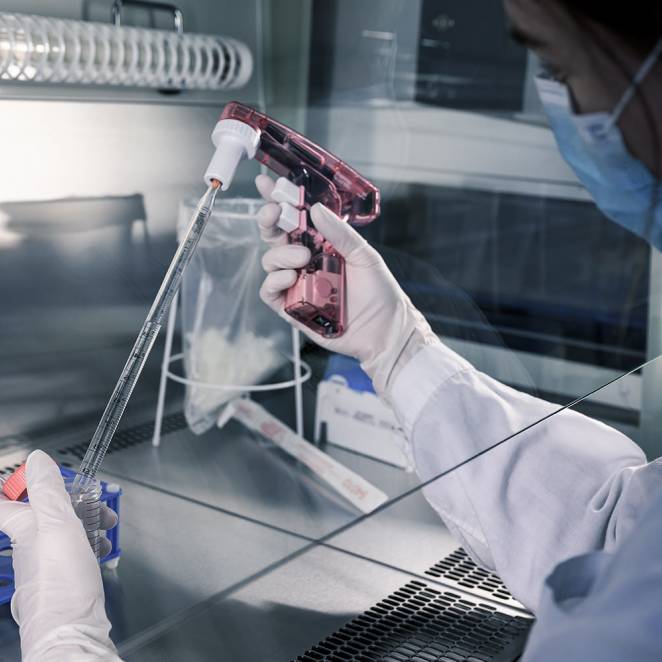
S1 Adapted solutions for
biorisk management
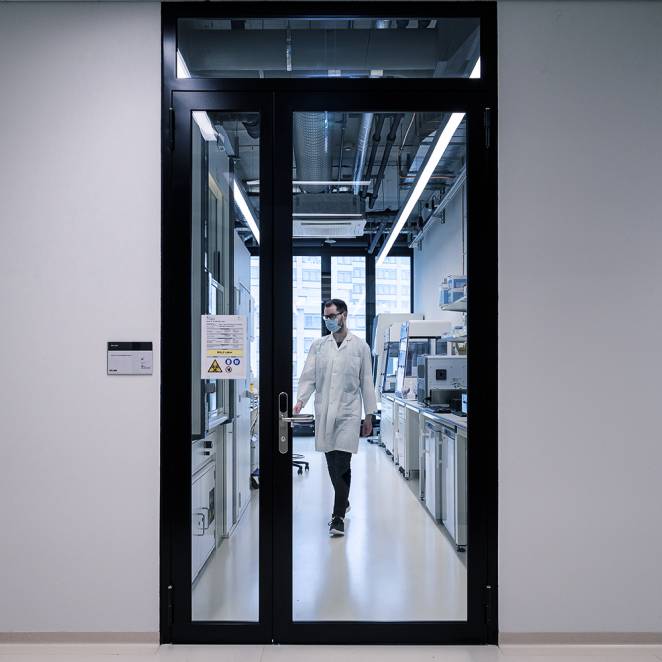
S2 Evaluation of new
techniques and
environmental risk
assessment

S3 Applicable misuse
prevention and
biosecurity
S4 Promotion of global
biosafety and biosecurity

S5 Mentoring of biosafety
and biosecurity
professionals

S6 Public communication
and open-space
biosafety
Us and our partnering network
During our 20 years of business, we have consequently and consistently built and maintained our partnership with experts and partnering networks internationally.
Biorisk management advisors as gatekeepers of sustainable biotechnology
November 03 2021
Fostering biotechnology to achieve sustainable development goals needs sound biological risk assessment and mitigation to stay within the limits of safety and security of people and the environment.
Highlights of the World Vaccine Congress Europe 19-21 October 2021 in Barcelona
October 26 2021
Thanks to the tremendous efforts of Terrapinn UK the 2021 World Vaccine Congress Europe could take place on site. Highlights related to the COVID-19 pandemic and other vaccines are summarized below.
Gene technology for sustainable development
July 12 2021
Gene technology for sustainable development: a genetically modified Saccharomyces cerevisiae to produce ethanol from toxified lignocellulosic feedstocks
Go to Blog

«Jenal & Partners with their large knowledge and experience have improved our biosafety procedures significantly not only regarding safety, but also regarding sustainability and economical aspects. Most importantly though, communication, information transfer and review processes with all stakeholders assure consensus building, understanding and voluntary adoption of our biosafety procedures.»
Thomas Moser, Head Health Safety Security & Environment, Idorsia Pharmaceuticals Ltd. Allschwil, Switzerland

«Jenal & Partners have supported us for an urgent project with their professional expertise regarding environmental risk assessments, and this on very short notice. Their concise and efficient work allowed us to stay on track with our programme. The friendly communication style and a profound understanding of the field made the project successful and the collaboration highly enjoyable.»
Florence Salmon, former Portfolio Head Regulatory Affairs CMC, Cell and Gene Therapies at Novartis, Switzerland